In a world racing towards modernization, living traditions stand as vibrant reminders of our past. These customs, passed down through generations, not only enrich cultures but also weave the fabric of community life. Imagine a lively festival where laughter echoes, colorful costumes twirl, and age-old rituals bring people together. Sounds delightful, right?
Understanding Living Traditions
Living traditions refer to cultural practices that evolve yet remain integral to communities. These customs develop over time, connecting generations and enriching cultural identities.
Definition and Importance
Living traditions encompass rituals, celebrations, and practices passed down through generations. They foster community cohesion and instill a sense of belonging. These customs reflect shared values, connecting individuals to their ancestry. Cultural identity thrives when people perform traditional activities. Maintaining these practices strengthens social ties and enhances community resilience. Scholars emphasize their role in preserving knowledge and heritage. An example includes storytelling as a method of teaching history through oral traditions.
Examples Around the World
Various cultures celebrate living traditions through unique practices. In India, festivals like Diwali showcase the significance of light triumphing over darkness. Similarly, Carnival in Brazil highlights vibrant parades and music. Japan’s tea ceremonies illustrate mindfulness and appreciation for art and nature. In Africa, dance and music serve as expressive forms of heritage, celebrating life events. Native American powwows create spaces for cultural exchange and revitalizing traditions. Each of these instances exemplifies how living traditions enrich lives and foster connections.
The Role of Culture in Living Traditions
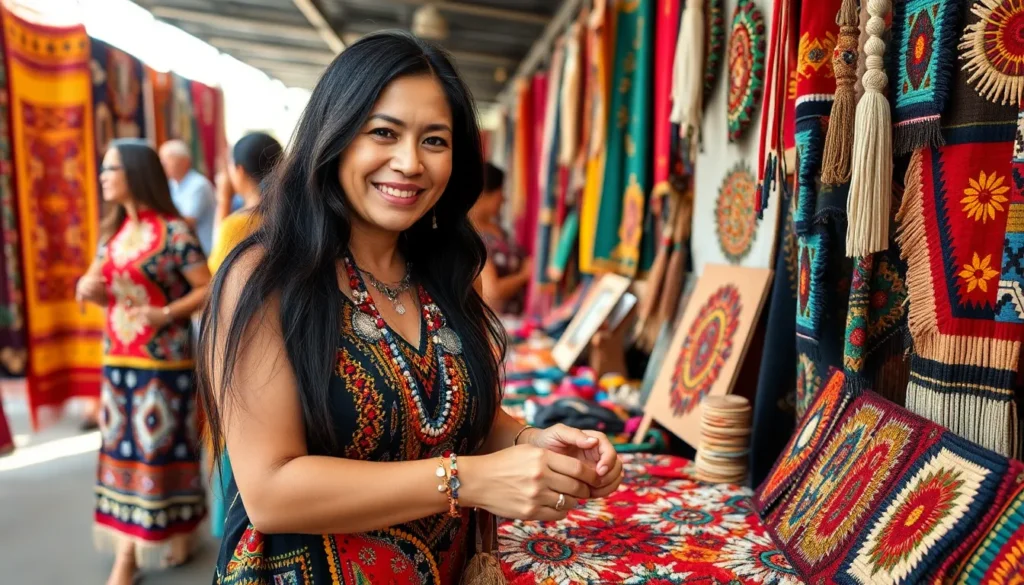
Culture plays a vital role in the continuation of living traditions. Cultural expressions ensure these traditions adapt while remaining relevant to their communities.
Art and Craft
Art and craft serve as fundamental components of living traditions. Each piece of handcrafted artwork reflects unique cultural narratives. Artisans transmit techniques and styles through generations, preserving their heritage. For instance, Mexican artisans create vibrant textiles that tell stories of their ancestors. In India, the intricate art of mehndi applies traditional designs during festivals and weddings. Similarly, Indigenous tribes in North America use beadwork to portray their history and connection to the land. Such artistic expressions not only showcase skills but also strengthen cultural identity and community ties.
Music and Dance
Music and dance embody the soul of living traditions. These art forms often arise during communal celebrations, marking significant events in people’s lives. African drumming, for example, plays a pivotal role in rituals, uniting participants in rhythm and movement. In Brazil, samba captures the essence of Carnival, reflecting joy and cultural pride. Japanese traditional dance, known as Nihon buyō, conveys stories passed down through history in both gestures and music. Musical traditions, such as folk songs from the Balkans, enhance social cohesion within communities. Each performance reinforces a collective identity, showcasing the vibrant expressions of cultural heritage.
Preserving Living Traditions
Preserving living traditions requires collective effort, attention, and adaptability. Communities face various challenges that threaten these customs.
Challenges Faced
Urbanization often disrupts traditional practices. Migration leads to a dilution of cultural heritage as individuals settle in diverse environments. Globalization introduces new influences, sometimes overshadowing local customs. Additionally, younger generations may struggle to connect with these traditions due to fast-paced lifestyles and technological distractions. The lack of resources for cultural education can hinder the transmission of practices. These factors contribute to the risk of losing unique cultural identities and practices.
Community Efforts
Communities actively find ways to combat challenges to traditions. Initiatives like cultural festivals promote awareness and engagement among younger populations. Workshops centered on traditional arts, such as weaving or pottery, often attract participants eager to learn. Intergenerational programs foster connections, allowing elders to share stories and techniques with youth. Collaboration with local schools ensures that cultural education remains part of the curriculum. These combined efforts cultivate pride in heritage and strengthen communal bonds, nurturing the continuation of living traditions.
Modern Influence on Living Traditions
Modern influences shape living traditions significantly, altering their expression and interaction. Communities now experience traditions through new channels, with technology and social media leading the way.
Technology and Social Media
Technology enhances the visibility of living traditions. Platforms like Instagram and TikTok provide opportunities to showcase cultural practices, attracting global audiences. Participants share vibrant depictions of rituals, dance, and festivals online. These platforms foster engagement, initiating conversations and connections among diverse cultures. Furthermore, younger generations connect with their heritage through digital storytelling, ensuring traditional practices remain relevant. Communities leverage technology for educational purposes, offering online workshops and virtual celebrations that bridge gaps between generations. Uniting people around the world, technological advancements promote cultural exchange, reinforcing traditional values and contemporary interpretations.
Globalization Impact
Globalization significantly influences living traditions by facilitating cultural exchange. Exposure to various customs encourages hybridization, creating blended practices that reflect both local and global influences. Traditional festivals may incorporate elements from different cultures, enriching the experience while potentially altering original meanings. This fusion creates vibrant and diverse celebrations, appealing to wider audiences. However, the challenge lies in maintaining authenticity amid this blending; some communities seek to preserve core elements of their traditions. Balancing modern elements with heritage remains crucial to uphold cultural integrity. Dialogues on globalization’s effects foster awareness, enabling traditions to evolve while honoring their roots.
Living traditions play a crucial role in maintaining cultural identity and fostering community connections. As societies evolve, these dynamic practices adapt while preserving their core values, ensuring that heritage remains vibrant and relevant. The ongoing efforts to promote awareness and engage younger generations highlight the resilience of these customs. By embracing both modern influences and traditional roots, communities can navigate the challenges posed by globalization and urbanization. Ultimately, the celebration of living traditions enriches lives, strengthens bonds, and cultivates a deeper appreciation for cultural diversity.