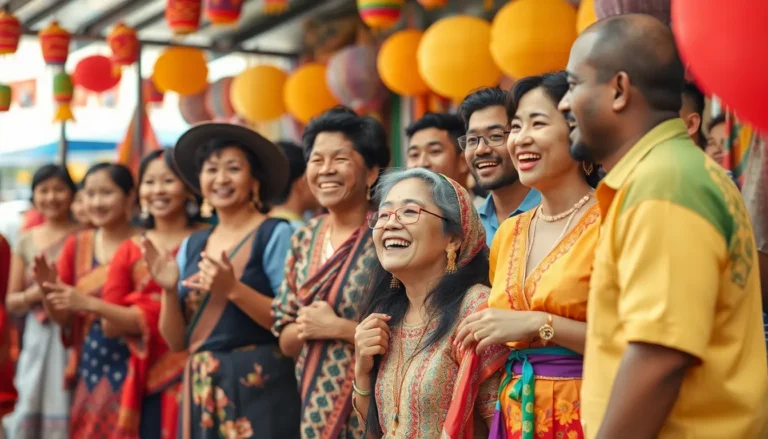
Tradition and culture shape the very fabric of our lives, often serving as the quirky glue that holds communities together. From the peculiar rituals of family gatherings to the vibrant festivals that light up the streets, these customs tell stories that are both timeless and entertaining. Ever wondered why Aunt Edna insists on wearing that outrageous hat at every holiday dinner? Spoiler alert: it’s not just for fashion’s sake.
Understanding Tradition and Culture
Tradition and culture play vital roles in shaping community identities. They encompass everything from rituals and customs to shared values and beliefs. Family gatherings reflect these elements, reinforcing bonds among members while preserving historical narratives.
Festivals highlight collective participation, with each event often marked by distinctive practices and vibrant expressions. Communities take pride in their unique customs, which serve as a celebration of identity. These gatherings, like Aunt Edna’s memorable holiday dinners, emphasize the intricate relationship between personal stories and wider cultural contexts.
Exploring traditions reveals why certain practices endure through generations. Many customs provide a sense of belonging, allowing individuals to connect with their roots. Values passed down through families foster continuity, ensuring that younger generations understand their significance.
Cultural expression manifests in various forms, such as music, dance, and art. Each artistic representation showcases the vibrancy of a community’s heritage. Festivals often serve as platforms where cultural expressions converge, offering an opportunity for individuals to showcase their skills and heritage.
Traditional practices continue to evolve, adapting to contemporary influences while maintaining core principles. This dynamic process reflects the resilience of culture, allowing it to resonate with new audiences. Observing these changes highlights the balance between honoring past customs and embracing modernity.
Understanding tradition and culture enriches one’s perspective on community dynamics. By appreciating these elements, individuals can foster deeper connections with their heritage and each other. Knowledge about customs cultivates respect for diversity, enhancing interpersonal relationships within and beyond communities.
Importance of Tradition and Culture
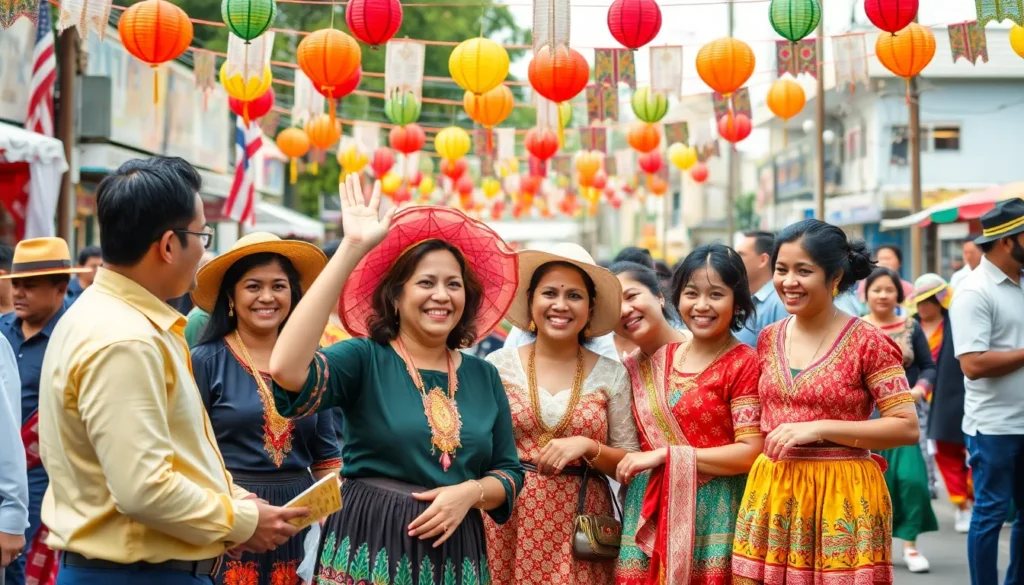
Tradition and culture play a crucial role in shaping identities and fostering connections among individuals and groups.
Connecting Communities
These traditions often serve as social glue, bringing people together during family gatherings and vibrant festivals. Shared rituals create a sense of unity, allowing members to engage with one another meaningfully. Festivals invite collective participation, transforming ordinary moments into memorable experiences. When communities celebrate their customs, they strengthen their ties, fostering resilience and collaboration. For instance, local events promote social bonds, encourage cooperation among residents, and inspire pride in their shared heritage.
Preserving Heritage
Heritage preservation benefits not only individuals but also the wider community. Traditional practices tell stories that connect generations, ensuring valuable lessons are passed down. Music, dance, and art reflect cultural identities and showcase unique histories. Families play a pivotal role, participating in customs that maintain historical narratives. Overall, by honoring traditions, communities safeguard their distinctiveness, cultivating respect for diverse backgrounds and enriching the lives of current and future generations.
Exploring Different Cultures
Cultural diversity enriches human experience, showcasing unique customs and practices across the globe. Understanding these differences fosters appreciation and enhances interpersonal connections.
Global Traditions
Global traditions encompass various practices that unite individuals regardless of their geographic location. Festivals like Diwali, Carnaval, and Christmas illustrate how cultures celebrate shared values and historical narratives. Participants engage in rituals such as lighting candles, colorful parades, and exchanging gifts. These events highlight the importance of community, providing widespread enjoyment and fostering inclusiveness. Each tradition carries unique symbolism, allowing individuals to connect deeply with their heritage. Awareness of these global celebrations encourages respect for diverse practices and leads to cultural exchange.
Local Customs
Local customs reflect the specific identities of communities, showcasing unique practices that can differ widely within a single country. Every community has its own distinct rituals, from regional food preparations to specific holiday celebrations. For example, Thanksgiving in the United States emphasizes gratitude and family bonding, while Lunar New Year customs in Asian communities focus on prosperity and renewal. In addition, rituals associated with life milestones, such as weddings or births, vary greatly. These local practices not only promote a sense of belonging but also strengthen community ties. Understanding these customs aids in appreciating the nuances of cultural identity.
Creating a Tradition and Culture Guide
Creating a tradition and culture guide involves collecting valuable insights and fostering community involvement.
Research and Documentation
Research serves as the foundation for crafting a comprehensive tradition and culture guide. Gathering data from credible sources ensures accuracy and authenticity. Interviews with community members add depth, capturing personal stories that highlight unique customs. Documenting local histories and practices preserves essential narratives that reflect identity. Conducting surveys allows for broader perspectives, revealing diverse viewpoints within the community. All gathered information should be organized methodically, providing a structured approach to writing the guide. Establishing a timeline of significant events can help contextualize traditions, showing their evolution over the years.
Engaging the Community
Engaging the community enhances the effectiveness of a tradition and culture guide. Organizing workshops invites residents to share their memories and experiences related to local customs. Social media platforms can facilitate discussions, connecting individuals and encouraging them to contribute. Hosting events celebrates traditions while sparking interest among younger generations. Collaboration with local leaders fosters a sense of ownership, motivating community members to participate actively. Feedback from diverse groups ensures the guide reflects a wide range of cultural expressions. Ultimately, this collaborative approach strengthens community bonds and deepens appreciation for shared heritage.
Tradition and culture play an essential role in shaping identities and fostering connections within communities. They serve as a foundation for shared experiences that unite individuals and strengthen bonds. By embracing and preserving these customs, people can enhance their understanding of one another while celebrating the rich tapestry of human heritage.
Creating a tradition and culture guide empowers communities to document and share their unique practices. This collaborative effort not only preserves valuable insights but also encourages participation and appreciation for diverse cultural expressions. As individuals engage with their heritage, they cultivate respect for differences and build lasting relationships that transcend boundaries. Ultimately, the celebration of tradition and culture enriches lives and promotes a sense of belonging in an ever-evolving world.