Folk culture is like that quirky uncle at family gatherings—full of surprises and always ready to share a good story. It’s the heartbeat of communities, woven through traditions, music, and art that have stood the test of time. From lively dances to delicious recipes passed down through generations, folk culture connects people in ways that modern life often forgets.
Imagine stepping into a world where every song tells a tale and every festival bursts with color and laughter. Folk culture isn’t just about nostalgia; it’s a vibrant celebration of identity and heritage that deserves a spotlight. So grab your dancing shoes and your sense of adventure, because diving into folk culture might just be the most fun you’ve had since that time you tried to make grandma’s famous pie (and ended up with a kitchen disaster). Let’s explore the rich tapestry of folk culture and discover what makes it so irresistibly charming.
Overview of Folk Culture
Folk culture encompasses the shared traditions and practices of communities worldwide. It reflects the social fabric through various forms, such as stories, music, and rituals.
Definition and Characteristics
Folk culture refers to the collective heritage of a community, passed down through generations. Emphasis lies on oral traditions, folk music, and dance, showcasing unique storytelling methods. Characteristic elements include traditional costumes, local crafts, and regional cuisine. Each aspect varies by geographical region and cultural background, contributing to a community’s distinct identity. Authenticity plays a crucial role in folk culture, as individuals strive to preserve original practices while adapting to modern influences.
Importance in Society
Folk culture holds significant value in promoting community cohesion and identity. It fosters a sense of belonging among its members, creating bonds through shared experiences. Additionally, folk culture serves as a vessel for cultural heritage, providing insight into historical narratives and values. It plays a role in education by passing down knowledge, ensuring traditions survive over time. Community events centered on folk practices cultivate social interaction, enhancing mental well-being. By exploring folk culture, individuals appreciate diversity and learn about different lifestyles, contributing to a more inclusive society.
Types of Folk Culture
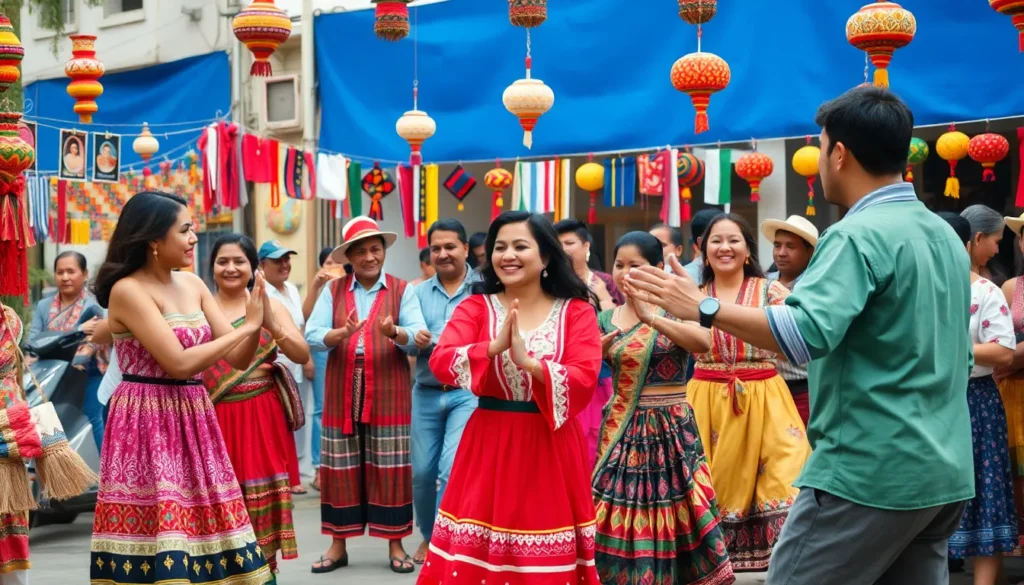
Folk culture manifests in various forms, showcasing the richness of community traditions and practices.
Traditional Arts and Crafts
Arts and crafts display a community’s creativity and heritage. Pottery, weaving, and woodwork often feature intricate designs unique to local motifs. Artisans typically use techniques passed down through generations, ensuring authenticity. Festivals frequently highlight these crafts, allowing people to appreciate the skill involved. Home décor items made from regional materials foster a connection to the environment and history. Each piece tells a story, reflecting individual and communal experiences.
Folklore and Storytelling
Storytelling serves as a vital medium for conveying cultural knowledge. Folk tales are usually rich in morals and historical context, enabling communities to preserve their values. Narratives often intertwine local legends, reflecting societal beliefs and practices. Storytelling sessions frequently occur in communal gatherings, promoting social interaction among listeners. Through oral tradition, communities maintain their identity, allowing younger generations to connect with their past. These stories foster a sense of belonging and strengthen communal ties.
Music and Dance Traditions
Music and dance traditions embody community spirit and expression. Rhythmic elements in folk music showcase regional instruments, while lyrics often reflect local history and themes. Dance forms provide a visual representation of cultural narratives, engaging participants and audiences alike. Celebratory dances typically occur during festivals, reinforcing communal bonds. Each performance captures emotions and experiences, often inviting audience participation. Music and dance enable an intimate connection to heritage, enriching the community’s cultural tapestry.
Regional Variations of Folk Culture
Folk culture varies significantly by region, reflecting diverse traditions and practices. Each area contributes unique aspects to the larger tapestry of cultural heritage.
African Folk Culture
African folk culture expresses richness through various music styles, crafts, and oral traditions. Tribal music often incorporates drums and chants, forming the heartbeat of communities. Unique crafts, such as beadwork and pottery, exhibit intricate designs rooted in local history. Oral storytelling passes down morals and communal history, showcasing values and experiences from one generation to the next. Festivals, like harvest celebrations, bring communities together, fostering unity and shared identity.
Asian Folk Culture
Asian folk culture is characterized by its diverse customs and practices across the continent. Countries like India and China celebrate vibrant festivals that highlight traditional music, dance, and cuisine. Rituals, such as tea ceremonies or rice planting, showcase communal cooperation and reverence for nature. Handicrafts, including silk weaving and pottery, reflect local artistry and techniques, often passed down through families. Additionally, storytelling traditions, often featuring moral lessons, strengthen cultural bonds and promote shared heritage.
European Folk Culture
European folk culture showcases a blend of historical influences and regional uniqueness. It encompasses diverse traditions from Celtic dances in Ireland to the intricate woodwork of Scandinavia. Folk music often features instruments like fiddles and bagpipes, creating distinctive sounds tied to specific locales. Traditional attire, varying by region, reflects historical influences and cultural identity, enhancing celebrations and festivals. Folklore, rich with myth and legend, continues to captivate audiences, preserving age-old narratives that connect communities through time.
The Role of Folk Culture in Modern Society
Folk culture plays a significant role in shaping modern societal dynamics, fostering identity and unity among individuals. Preservation efforts focus on maintaining traditions that might otherwise fade away.
Preservation Efforts
Organizations and communities actively work to protect folk culture through workshops, festivals, and educational programs. These initiatives encourage younger generations to engage with heritage practices. Documenting oral histories and traditional practices ensures that valuable knowledge is not lost. Local artisans often receive support to continue their craft, allowing unique skills to thrive. Efforts also include creating spaces where folk performances can be showcased, drawing attention to their cultural significance. By actively participating in these preservation activities, individuals connect with their roots, enhancing cultural appreciation within society.
Folk Culture in Popular Media
Popular media increasingly features elements of folk culture, bridging tradition and contemporary practices. Artists infuse folk themes in music, allowing broader audiences to experience cultural narratives. Television shows and films often highlight regional customs, sparking interest in local histories. Social media provides a platform for showcasing folk art and craftsmanship, reaching global audiences effortlessly. Young creators adapt traditional stories, presenting them in fresh formats while retaining essential messages. This blend of old and new encourages greater awareness of diverse cultures and inspires individuals to explore their heritage. Each representation in popular media contributes to a richer understanding of folk culture’s relevance today.
Impact of Globalization on Folk Culture
Globalization significantly influences folk culture, presenting both challenges and opportunities. Cultural homogenization threatens the uniqueness of traditional practices, as global trends often overshadow local customs.
Challenges Faced
Traditional art forms face decline due to global commercialization. Many communities struggle to maintain their cultural identity as media and marketing promote mainstream styles. Additionally, younger generations gravitate toward global entertainment, diminishing interest in local folklore. Economic pressures also make it difficult for artisans to sustain their craft, as reliance on mass-produced goods grows. Rural communities experience isolation, making it harder to share their cultural heritage with outsiders. Documentation of oral traditions becomes scarce, risking the loss of valuable histories and practices.
Opportunities for Revival
Revitalization efforts emerge in response to globalization’s effects. Organizations support local artisans through workshops and festivals that promote traditional skills. Technology plays a crucial role by allowing communities to share their stories and art globally. Online platforms facilitate connections between folk artists and audiences, sparking renewed interest. Collaborations between traditional and contemporary artists foster innovation, blending heritage with modern creativity. Educational programs encourage younger generations to embrace their cultural roots, ensuring traditions carry on. Increased awareness of cultural diversity creates a more inclusive society, benefiting folk culture as it adapts and thrives.
Folk culture remains a vital thread in the fabric of society. It not only preserves the unique identities of communities but also fosters connections among individuals. As modern influences continue to challenge traditional practices, the importance of revitalization efforts cannot be overstated.
Embracing folk culture allows for a deeper understanding of diverse heritages while encouraging a sense of belonging. By participating in local traditions and supporting artisans, individuals contribute to the ongoing narrative of their communities. This vibrant cultural tapestry enriches lives and nurtures appreciation for the world’s rich diversity.